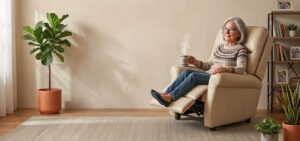
When choosing the perfect recliner, one of the most important decisions is selecting the right upholstery.
You’ll generally have two main options: a leather recliner—either genuine or synthetic—or a fabric recliner, which can come in a wide variety of materials.
Each choice comes with its own set of advantages and considerations, making it important to understand the differences.
In today’s article, we’ll focus on fabric recliners, exploring the types of fabric available and the benefits they offer, to help you feel confident and comfortable in your choice for comfort, style, and durability in your home.
Key Specs
| No. | Product | Type | Material | Weight capacity | Dimensions | Extras |
|---|---|---|---|---|---|---|
| 1 | Christopher Knight Home Kenley Glider | Manual glider push-back | Fabric | – | 27.5 x 33 x 36.5 in | – |
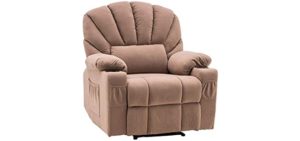
| 2 | Canmov Power Lift | Power lift | Fabric | 450 lb | 43 x 39 x 43 in | Massage, Heat, USB, Cup holders |
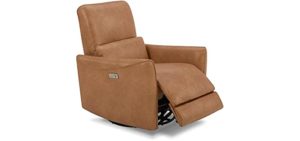
| 3 | MCombo Swivel Glider | Power swivel rocker | Fabric | – | 39 x 39.4 x 43.3 in | – |
| 4 | Hana Tufted | Manual | Microfiber | – | 37 x 46.5 x 40 in | – |
| 5 | Sofetura Power Lift | Power lift | Fabric | 350 lb | 32.5 x 29 x 40 in | Massage, Heat, USB, Remote |
| 6 | Sweetcrispy No Massage | Manual push-back | Fabric | 300 lb | 26.8 x 34.2 x 39.4 in | Massage |
– = not stated on the Amazon listing. Specs as listed by the seller, not tested by us.
Leather VS Fabric
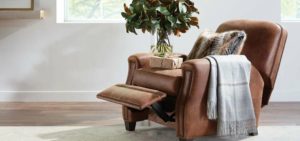
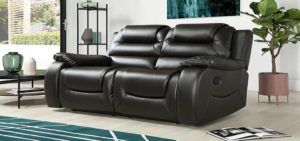
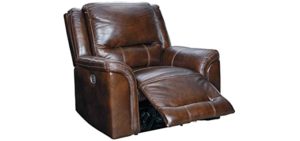
Before diving into the delightful options for fabric recliners, let’s take a moment to compare fabric and leather upholstery. Recognizing that both genuine leather and PU leather offer similar functions can help you feel more informed and assured in your decision.
- Style – Now, when it comes to style and leather recliners, it generally looks much more sophisticated and stylish than any fabric recliner. Fabric recliners look more informal, whereas leather recliners look more formal. Your fabric recliners have a more traditional look, whereas your leather recliners are slightly more modern.
- Comfort – Comfort. In terms of comfort, my personal experience is that a fabric recliner is much more comfortable than a leather one. When you first sit down on it, it feels very cool. It is cold to the touch and more breathable. On very hot days, sitting on leather can get quite sweaty and stick to you. Fabric recliners will mostly be warm and cozy. Fabric upholstery, such as linens and cotton, is slightly cooler and more breathable. However, most polyester- and microfiber-fabric recliners feel warm.
- Maintenance – Maintenance is important, as you must regularly clean and maintain your recliner. Leather recliners are extremely easy to clean. They generally do not absorb water; you can easily wipe them clean. Your genuine leather recliners will need a little more care, with a leather oil and polish to maintain them. Most fabric recliners will hold stains. They will absorb moisture, water, or any stain. Fabric recliners also collect dust, pet dander, and pet hair. Fabric recliners are not always the best option for homes with pets and children. They can be harder to clean, and they need to be washed.
- Hypoallergenic – If you have allergies or own pets, choosing a fabric recliner with hypoallergenic or easy-to-clean fabric options can help reduce allergen buildup, such as pet dander and dust, making your home environment more comfortable and safe. Clarifying which fabrics are best for allergy sufferers can help readers make tailored decisions.
- While fabric recliners are generally more affordable upfront, understanding their durability can help you feel confident about making a smart, long-lasting choice that fits your budget and lifestyle, giving you peace of mind.
Types of Fabric
These are a few types of fabric used to upholster recliners.
- Natural – If you lack the feel of a natural fabric, there are a few natural fabrics that can be used to upholster your recliner. We start with cotton, the most widely used natural fiber for upholstery for your recliner. That is also quite affordable. Cotton has a soft feel. It is breathable and fade-resistant, but unfortunately, it is susceptible to stains. Cotton can also easily catch dust and dirt, so it is not the best choice for an everyday-use recliner. I’m just mentioning this as a fact: silk is also sometimes used for recliner upholstery. It is usually for recliners that are more decorative than practical. Silk is extremely expensive, and your soul recliner must be cleaned professionally. Linen might also be used as upholstery for your recliner. However, Linen does seem to stain and wrinkle easily. Linen is very easy to dye and print, making it ideal for creating lovely, intricate upholstery designs for your recliner.
- Synthetic – We get to synthetic fabrics used to upholster recliners. As you will see from our list of recliners, most have synthetic upholstery, mostly polyester or microfiber. Polyester is the most commonly used fiber for upholstering recliners. It can be blended with cotton and other fabrics. It retains dye easily and is also a good choice for cleaning and maintenance. Nylon is used for indoor recliners, and it’s often combined with other synthetic or natural fibers. Nylon can be combined with velvet or chenille fabrics to make it more durable. Lastly, we have microfibre; as you will see, many recliners have microfiber upholstery. Now, microfibre can have different textures, from smooth, soft suede to velvety fields to coarser, fluffier feels.
Features of a Good Fabric Recliner
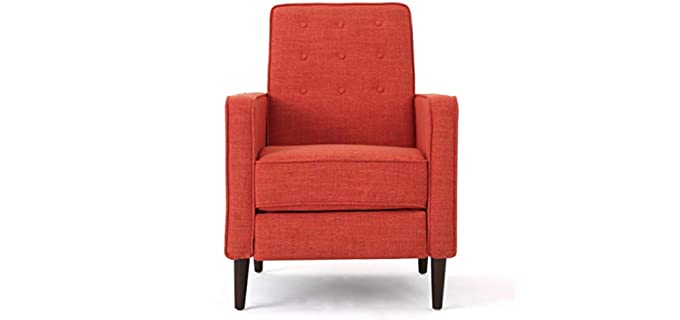
- Comfort – Look for a recliner that has upholstery that is comfortable for you. That will keep you warm in winter, cold in summer, and cool in between. The recliner should have a shape and a design that support your body with comfortable padding and ergonomic cushioning.
- Durability – Make sure you choose a good quality, durable recliner that will last long. The fabric should be durable and easy to maintain, and it should also not show signs of wear and tear easily.
- Aesthetics – Choose your recliner with your home décor and style in mind. Choosing a recliner in a color that complements the rest of your home would be best.
- Maintenance – Consider the maintenance of your recliner. Some fabrics are much easier to clean and are slightly more water-resistant than others. Look for. Look for water- and stain-resistant fabrics that are easy to walk on. Fabrics with a smoother surface are easier to clean and more resistant to staining than those with a more textured or fluffy surface.
Reviews: The Best Fabric Recliners
In our review section, we have some of the best fabric recliners available in different upholstery types.
1


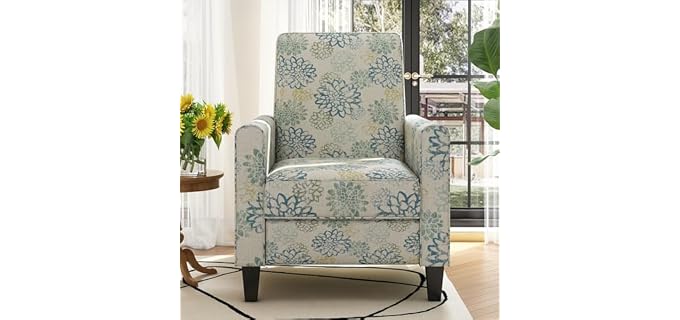
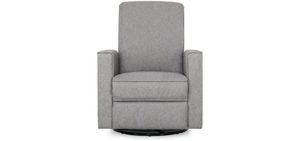
The Christopher Knight Home Kenley Glider is a fabric recliner that offers push back glider recliner, gliding motion, and sturdy frame.
- Push Back Glider Recliner – This recliner sofa features an intuitive push-back mechanism with 3 reclining positions: 105˚, 120˚, and 150˚.
- Gliding Motion – Whether it’s placed in your living room, home theater, or study, our Push Back Glider Standard Recliner is a versatile addition to any space.
- Sturdy Frame – Crafted from high-quality wood, the frame and legs provide not only a sturdy and stable base but also a touch of elegance and natural warmth.
- Fabric Upholstery – The chair features distinctive floral pattern printed fabric upholstery that adds personality and flair to any room.
2


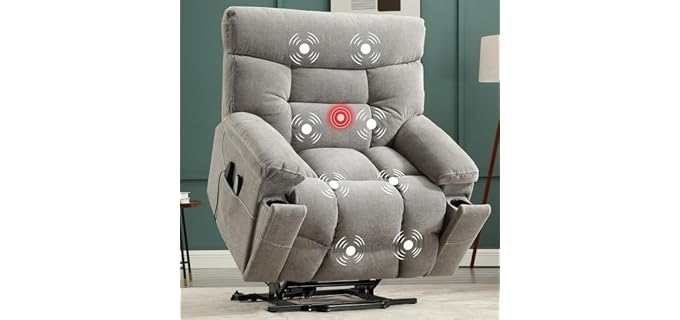
The Canmov Power Lift is a fabric massage recliner that offers a power lift design, oversized lift recliner chair, and multi-functional & large angle.
- Power Lift Mechanism – This lift chair has passed UL safety certification and is equipped with dual motors, each operating independently, increasing lift efficiency by 60% compared to ordinary single-motor chairs.
- Oversized Lift Recliner Chair – Designed with a larger build, this power lift chair comes with a 27 wider seat cushion and fits people with a BMI ≤ 40, so over 95% of people will fit.It measures 43W x 39D x 43H.
- Multi-Functional & Large Angle – The electric recliner includes side pockets for storing remotes, magazines, and tablets.
- Massage & Lumbar Heat – Each massage area can be controlled independently, with a timer function set for 15, 30, or 60 minutes.
3


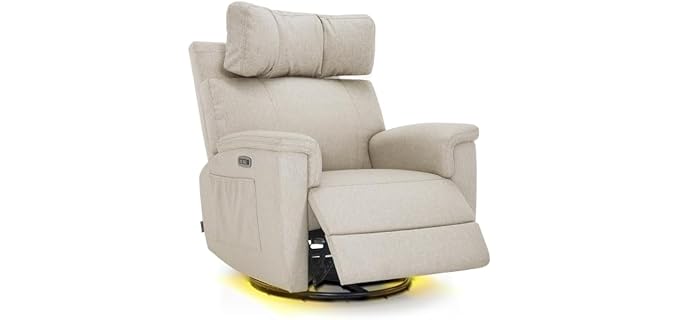
The MCombo Swivel Glider is a fabric power rocker recliner that offers omni-support headrest, thoughtful armrest design, and easy assembly.
- Omni-Support Headrest – You may have seen electric headrests that adjust forward and backward.
- Thoughtful Armrest Design – Designed specifically for nursing comfort, the armrest feature an 8 rear height and widened, stuffed cushioning to perfectly support your arms and shoulders during breastfeeding.
- Easy Assembly – All parts are packed in 3 boxes for easy doorway movement.
4


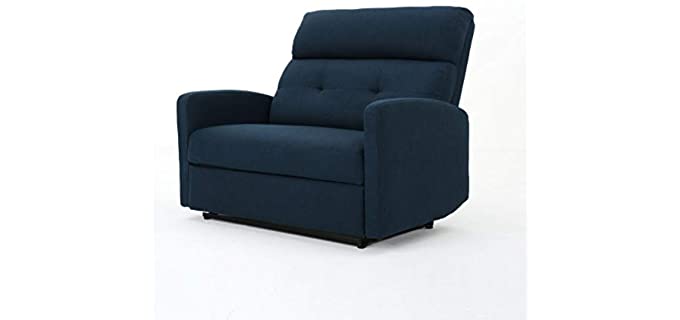
- The Hana is a comfortable, wide fabric recliner.
- It has a more durable textured upholstery in a neutral blue color.
- The seat is wide and roomy with comfortable padding.
- The recliner has a sleek and modern style.
5


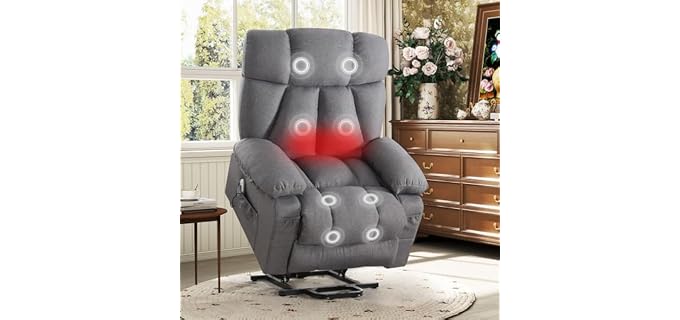
The Sofetura Power Lift is a fabric massage recliner that offers power lift assistance, vibration massage & heating, and durable upholstery.
- Power Lift Assistance – Power lift function could push the entire recliner chair up from its base to help the senior to stand up easily without adding stress to back or knees.
- Vibration Massage & Heating – This lift chair with heat and massage has 8 massage points and 2 different massage intensities can meet your different massage needs.
- Durable Upholstery – Skin-friendly and breathable fabric is adopted to improve the sense of touch.
- Important Notice – Paper installation instructions will be put in each box(COME WITH ONE BOX), following the instructions, you can assemble this single sofa chair easily.
6


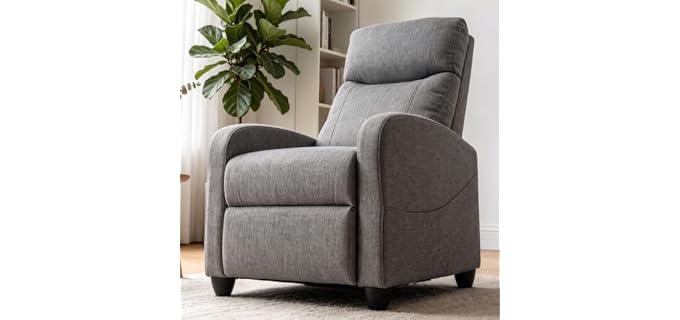
The Sweetcrispy No Massage is a fabric recliner that offers no massage function, adjustable reclining comfort, and fabric upholstery.
- No Massage Function – This style is designed for simple leisure use.
- Adjustable Reclining Comfort – Effortlessly switch between 90° and 160° reclining positions to suit your needs, whether it’s sitting upright, lounging with your feet up, or lying flat for ultimate relaxation.
- Fabric Upholstery – Crafted with high-quality fabrics and filled with a high-resilience sponge, this recliner offers superior comfort and breathability.
- Enhanced Footrest Versatile – The upgraded footrest offers unparalleled relaxation, making it ideal for unwinding after a long day.
Index Table: Top Rated Fabric Recliners
| No. | Product | Image | Features | Brand |
|---|---|---|---|---|
| 1 | Christopher Knight Home Kenley Glider - Fabric Recliner |  |
| Christopher Knight Home |
| 2 | Canmov Power Lift - Fabric Massage Recliner |  |
| Canmov |
| 3 | MCombo Swivel Glider - Fabric Power Rocker Recliner |  |
| MCombo |
| 4 | Hana Tufted - Modern Fabric Recliner |  |
| Hana |
| 5 | Sofetura Power Lift - Fabric Massage Recliner |  |
| Sofetura |
| 6 | Sweetcrispy No Massage - Fabric Recliner |  |
| Sweetcrispy |
Update History
- Oct 2026: Replaced unavailable products: Christopher Knight Gannon Recliner with Christopher Knight Home Kenley Glider Recliner; Canmov Lift Recliner with Canmov Power Lift Recliner; Mcombo Rocker Recliner with MCombo Swivel Glider Recliner; Irene House OKIN Recliner with Sofetura Power Lift Recliner; Artechworks Tufted Recliner with Sweetcrispy No Massage Recliner
- Oct 2026: Added a Key Specs comparison table
- Jan 2026: Published